
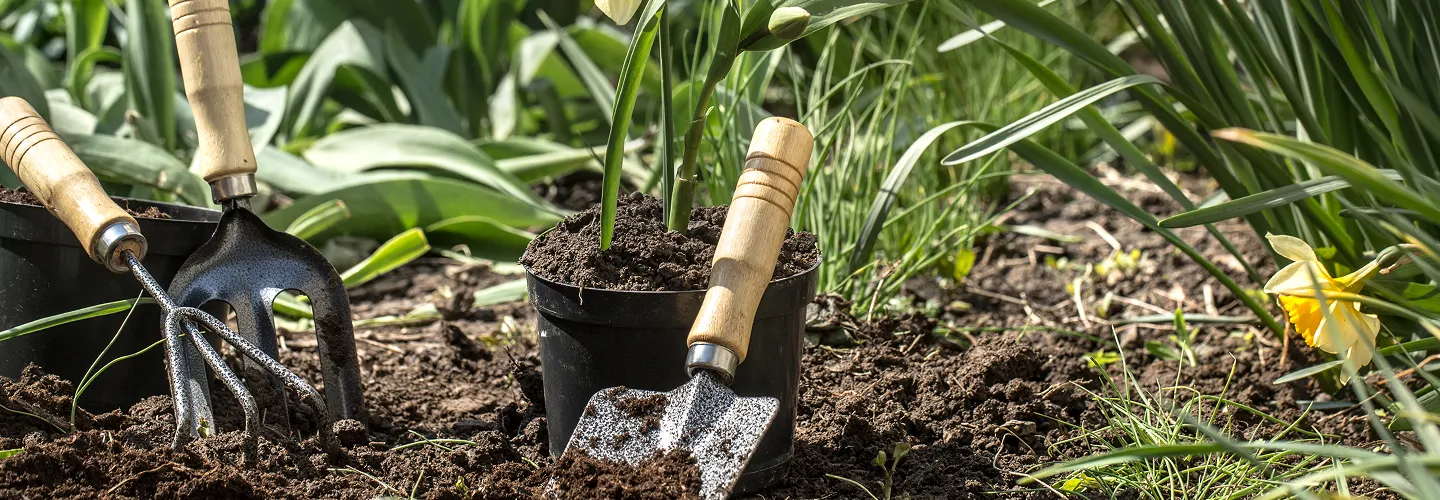
Iowa Colony Flower Bed Maintenance Services
Choose our Flower Bed Maintenance for expert care that keeps your garden blooming, weed-free, and healthy all season long—so you can enjoy stunning curb appeal without the hassle.
Get a Free QuoteOur Iowa Colony Landscaping & Yard Care Services
When to Schedule Flower Bed Maintenance in Iowa Colony, Texas – Seasonal Guide
In Iowa Colony, Texas, the best times for flower bed maintenance are closely tied to our unique Gulf Coast climate and local landscape features. Spring and early fall are generally optimal, as these periods avoid the extremes of summer heat and winter frost. With average last frost dates in late February and first frosts not arriving until late November, residents in neighborhoods like Sterling Lakes and Sierra Vista can take advantage of a long growing season. However, the region’s high humidity, periodic drought risk, and clay-heavy soils mean that timing and technique are especially important for healthy, vibrant flower beds.
Local environmental factors such as shade from mature oaks in Meridiana, fluctuating rainfall, and municipal watering restrictions can all impact when and how maintenance should be performed. For example, beds in areas with dense tree coverage may require earlier spring cleanups to manage leaf litter and promote sunlight penetration. Staying informed about local guidelines and resources, such as those provided by Sudbury’s municipal site, can help ensure your maintenance schedule aligns with community standards and environmental best practices.
Local Factors to Consider for Flower Bed Maintenance in Iowa Colony
- Tree density and shade coverage (e.g., mature trees in Meridiana)
- Soil type and drainage (clay soils common in the area)
- Seasonal precipitation patterns and drought risk
- Municipal watering restrictions and guidelines
- Proximity to landmarks or water features (affecting humidity and microclimates)
- Terrain and elevation changes impacting runoff and erosion
Benefits of Flower Bed Maintenance in Iowa Colony
Enhanced Curb Appeal
Weed and Pest Prevention
Healthier Plant Growth
Seasonal Color Management
Professional Landscape Expertise
Time and Effort Savings

Iowa Colony Flower Bed Maintenance Types

Seasonal Mulching
-
Weed Control
-
Soil Amendment
-
Pruning and Deadheading
-
Fertilization
-
Pest and Disease Management
-
Edging and Bed Redefining
Our Flower Bed Maintenance Process
Site Evaluation
Weed Removal
Soil Preparation
Plant Care
Mulching
Why Choose Iowa Colony Landscape Services
-
Iowa Colony Homeowners Trust Us
-
Expert Lawn Maintenance
-
Reliable Scheduling
-
Competitive Pricing
-
Professional Team
-
Satisfaction Guarantee
-
Personalized Service
Soil Series and Drainage Considerations for Flower Beds in Iowa Colony
Iowa Colony’s predominant soils, including Lake Charles clay and Bernard-Edna complex, present unique challenges for flower bed maintenance. These soils are characterized by high clay content, slow permeability, and a tendency toward poor drainage, especially after heavy rainfall. Soil pH typically ranges from 7.0 to 8.0, which can limit nutrient availability for many ornamental species. To improve growing conditions, incorporate 2-3 inches of compost and organic matter, tilled to a 6-inch depth. Soil testing is recommended through Texas A&M AgriLife Extension (typical cost: $15-25) to determine amendment needs. For persistent drainage issues, raised beds at least 12 inches high are advised. Mulching with 2-3 inches of pine bark or hardwood chips helps retain moisture and suppress weeds. Research local soil series using the USDA Web Soil Survey for site-specific recommendations.
Iowa Colony Public Works Department
12003 Iowa Colony Blvd, Iowa Colony, TX 77583
Phone: (281) 369-2471
Official Website: Iowa Colony Public Works Department
Seasonal Timing and Climate Zone Guidance for Iowa Colony Flower Beds
Iowa Colony is located in USDA Hardiness Zone 9a, with average annual minimum temperatures of 20-25°F. The optimal window for planting most annuals and perennials is February 15 to April 15, when soil temperatures reach 55°F. Fall planting of hardy perennials is best completed by October 31 to allow root establishment before winter. Avoid major soil disturbance or fertilizer application from June through August, as high temperatures and drought stress can damage plants. Monitor local weather forecasts through the National Weather Service Houston/Galveston Office for frost advisories and rainfall events. Key timing guidelines include:
- Spring planting: February 15 – April 15 (soil temp 55°F+)
- Fall planting: September 15 – October 31
- Mulch renewal: March and October
- Fertilization: Early March and late September
Iowa Colony Ordinances and Municipal Standards for Flower Bed Maintenance
Flower bed maintenance in Iowa Colony is governed by city ordinances addressing property appearance, debris management, and equipment operation. All yard waste, including plant trimmings and mulch, must be contained in biodegradable bags or 32-gallon bins for curbside collection on Thursdays, April through November. Prohibited materials include plastic bags and branches over 4 inches in diameter. Equipment operation is permitted:
- Monday-Friday: 7:00 AM – 7:00 PM
- Saturday: 8:00 AM – 6:00 PM
- Sunday and holidays: Prohibited Noise levels must not exceed 85 decibels at the property line. For flower beds within 25 feet of wetlands or drainage ditches, maintain a no-disturbance buffer to comply with Clean Water Act and city MS4 permit requirements. For questions on compliance, contact:
Iowa Colony Code Compliance Department
12003 Iowa Colony Blvd, Iowa Colony, TX 77583
Phone: (281) 369-2471
Official Website: Iowa Colony Code Compliance Department
Environmental Compliance and Stormwater Protection in Iowa Colony Flower Beds
Proper flower bed maintenance in Iowa Colony must align with state and federal environmental regulations, including the Texas Water Code and Clean Water Act. The city’s MS4 permit prohibits the discharge of soil, mulch, or fertilizer into storm drains. Maintain a 25-foot buffer from wetlands and drainage channels, and avoid fertilizer application within 50 feet of water bodies. Use slow-release or organic fertilizers at rates not exceeding 2-3 lbs nitrogen per 1,000 sq ft annually. Never dispose of plant debris in stormwater inlets. For additional guidance, consult:
Texas Commission on Environmental Quality – Water Division
12100 Park 35 Circle, Austin, TX 78753
Phone: (512) 239-1000
Official Website: Texas Commission on Environmental Quality – Water Division
Plant Selection and Native Species Recommendations for Iowa Colony Beds
Selecting appropriate species for Iowa Colony’s climate and soils is essential for sustainable flower bed maintenance. Favor native and adapted perennials that tolerate clay soils and periodic drought. Recommended species include:
- Full sun: Black-eyed Susan (Rudbeckia hirta), purple coneflower (Echinacea purpurea), daylily (Hemerocallis spp.)
- Partial shade: Turk’s cap (Malvaviscus arboreus), coral bells (Heuchera americana), hosta (Hosta spp.)
- Deer resistant: Salvia (Salvia greggii), Russian sage (Perovskia atriplicifolia), lavender (Lavandula spp.)
- Native options: Gulf Coast penstemon (Penstemon tenuis), cardinal flower (Lobelia cardinalis), wild bergamot (Monarda fistulosa) Space plants 12-18 inches apart for groundcovers and 18-24 inches for larger perennials. For detailed plant lists and diagnostic support, refer to Texas A&M AgriLife Extension.
What Neighborhoods Do We Serve Throughout Iowa Colony, TX?
- Meridiana: Features newly developed lots with compacted clay soils and engineered drainage, requiring raised beds and soil amendment for optimal plant growth.
- Sierra Vista: Characterized by large lots and proximity to detention ponds, with periodic flooding concerns and the need for erosion-resistant plantings.
- Sterling Lakes: Includes established landscaping and HOA guidelines that specify mulch types, plant heights, and setback distances for flower beds.
- Glendale Lakes: Located near natural wetlands, this area requires strict adherence to buffer zones and stormwater protection measures for all bed maintenance.
- Iowa Colony Estates: Rural-style properties with expansive yards, heavy clay soils, and limited municipal drainage infrastructure, necessitating careful water management.
- Suncreek Ranch: Features sloped lots and mature trees, presenting challenges with root competition and shade-tolerant species selection.
- Magnolia Bend: Noted for its proximity to city parks and recreational areas, with increased oversight on plant debris disposal and public space maintenance.