
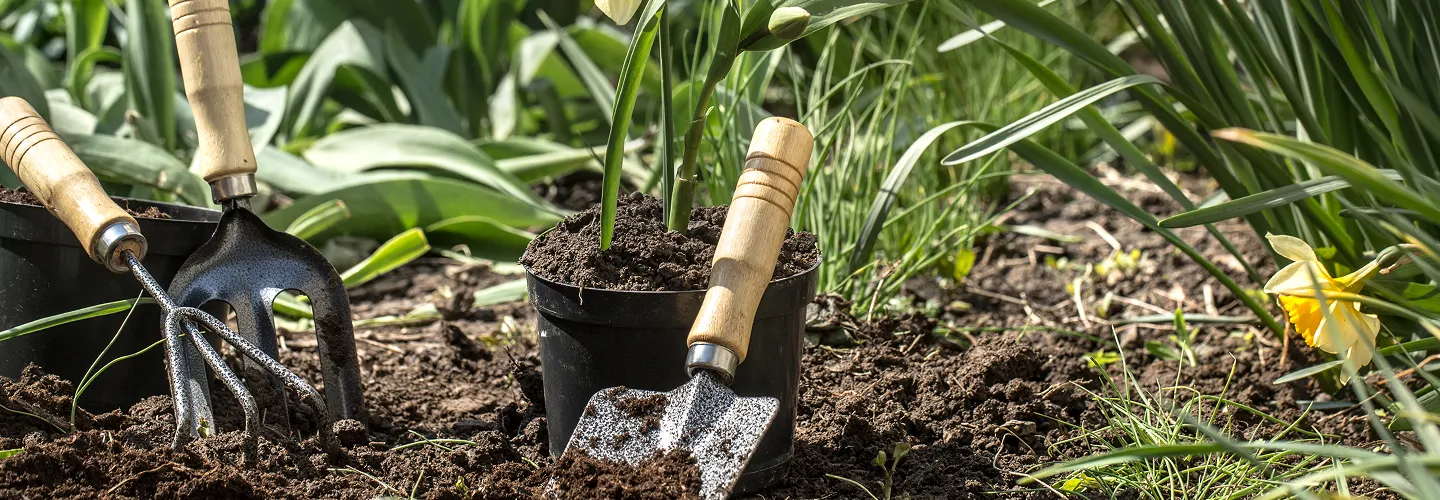
Iowa Colony Lawn Seeding Services
Choose our expert lawn seeding services for lush, resilient grass that thrives in Iowa Colony’s unique climate—enjoy a beautiful, revitalized yard with professional care and proven results.
Get a Free QuoteOur Iowa Colony Landscaping & Yard Care Services
When to Schedule Lawn Seeding in Iowa Colony, Texas – Seasonal Guide
In Iowa Colony, Texas, timing your lawn seeding is crucial for achieving a lush, healthy yard that thrives in our unique Gulf Coast climate. The best periods for seeding are typically late spring and early fall, when soil temperatures are warm enough to encourage germination but not so hot as to stress young grass. Neighborhoods near Meridiana and Sterling Lakes often experience microclimates due to varying shade coverage and proximity to water features, which can influence the ideal seeding window.
Local environmental factors such as the region’s average last frost date in early March, the risk of summer drought, and the heavy clay soils common in Iowa Colony all play a role in determining the best time to seed. Homeowners should also consider municipal watering restrictions and the impact of humidity, especially in shaded areas near Chocolate Bayou. For more information on local climate patterns, visit the Sudbury town website.
Local Factors to Consider for Lawn Seeding in Iowa Colony
- Tree density and shade coverage, especially in established neighborhoods
- Soil type (clay, loam, or sandy soils)
- Average precipitation and risk of drought
- Terrain and drainage patterns
- Municipal watering restrictions
- Proximity to landmarks like Meridiana or Chocolate Bayou
- Seasonal humidity and temperature fluctuations
Benefits of Lawn Seeding in Iowa Colony
Locally Tailored Seeding Solutions
Expert Knowledge of Iowa Colony Soil
High-Quality Grass Seed Selection
Improved Lawn Health and Appearance
Efficient and Reliable Service
Competitive Pricing for Landscaping
Iowa Colony Lawn Seeding Types

Cool-Season Grass Seeding
Ideal for Iowa Colony's transitional climate, cool-season grasses thrive in moderate temperatures.
-
Warm-Season Grass Seeding
Perfect for hot summers, warm-season grasses provide lush, green lawns during peak heat.
-
Overseeding Existing Lawns
Enhance lawn density and color by overseeding with compatible grass varieties.
-
Erosion Control Seeding
Specialized seed blends help stabilize soil and prevent erosion on slopes or bare areas.
-
Shade-Tolerant Grass Seeding
Designed for areas with limited sunlight, these grasses maintain healthy growth in shade.
-
Drought-Resistant Grass Seeding
Choose drought-tolerant varieties to ensure a resilient lawn during dry spells.
Our Lawn Seeding Process
Site Evaluation
Soil Preparation
Seed Selection
Seeding Application
Watering and Maintenance
Why Choose Iowa Colony Landscape Services
-
Iowa Colony Homeowners Trust Us
-
Expert Lawn Maintenance
-
Reliable Scheduling
-
Competitive Pricing
-
Professional Team
-
Satisfaction Guarantee
-
Personalized Service
Iowa Colony’s Blackland Prairie Soils: Implications for Lawn Seeding Success
Iowa Colony is situated on the Texas Blackland Prairie, with predominant soil series such as Houston Black clay and Burleson clay, both characterized by high clay content, slow drainage, and a tendency for compaction. These soils typically have a pH range of 7.5-8.2, which can limit nutrient availability for turfgrass establishment. For optimal lawn seeding, it is recommended to incorporate 2-3 inches of compost into the top 6 inches of soil and conduct a soil test through Texas A&M AgriLife Extension (typical cost: $15-25). Key soil management steps include:
- Core aeration to a depth of 2-3 inches prior to seeding
- Lime application only if pH is below 6.0 (rare in Iowa Colony)
- Avoiding seeding in areas with standing water or poor drainage Research local soil characteristics using the USDA Web Soil Survey to tailor amendments and species selection for your property.
Seasonal Timing and Weather Considerations for Lawn Seeding in Iowa Colony
The USDA Hardiness Zone for Iowa Colony is 9a, with average annual minimum temperatures of 20-25°F. The optimal seeding windows for cool-season grasses are February 15–March 15 (spring) and October 1–November 15 (fall), when soil temperatures are consistently 60-75°F. Warm-season grasses such as bermudagrass should be seeded April 15–June 15. Avoid seeding during the peak summer heat (July–August) due to high soil temperatures and drought risk. Monitor local forecasts through the National Weather Service Houston/Galveston Office to avoid heavy rainfall events that can cause seed washout. Recommended timing guidelines:
- Spring seeding: February 15–March 15
- Fall seeding: October 1–November 15
- Warm-season: April 15–June 15
- Avoid: July–August (heat/drought stress)
Municipal Coordination and Compliance for Lawn Seeding Projects in Iowa Colony
Lawn seeding activities in Iowa Colony must comply with city ordinances regarding equipment operation, water use, and property maintenance. Equipment such as seeders and aerators may be operated:
- Monday–Friday: 7:00 AM–7:00 PM
- Saturday: 8:00 AM–6:00 PM
- Sunday and holidays: Prohibited All irrigation for new seedings must adhere to city water conservation rules, which may include odd/even day schedules or time-of-day restrictions during drought declarations. For projects involving soil disturbance over 5,000 square feet, a permit may be required through the city’s Community Development Department. For guidance on compliance and permitting:
Iowa Colony Community Development Department
12003 Iowa Colony Blvd, Iowa Colony, TX 77583
Phone: (281) 369-2471
Official Website: Iowa Colony Community Development Department
Environmental Protection and Stormwater Management in Iowa Colony Lawn Seeding
Proper lawn seeding practices are essential to protect Iowa Colony’s drainage systems, wetlands, and nearby water bodies such as Mustang Bayou. The city is subject to MS4 stormwater regulations under the Clean Water Act and Texas Water Code, enforced by the Texas Commission on Environmental Quality. Key compliance steps include:
- Maintain a 25-foot buffer from wetlands and drainage ditches
- Prohibit fertilizer and pesticide application within 50 feet of water bodies
- Prevent grass clippings and soil from entering storm drains
- Use erosion control (e.g., straw matting) on slopes >5% Violations may result in fines or remediation orders. For further information:
Texas Commission on Environmental Quality – Water Division
12100 Park 35 Circle, Austin, TX 78753
Phone: (512) 239-1000
Official Website: Texas Commission on Environmental Quality – Water Division
Species Selection and Turf Recommendations for Iowa Colony Lawns
Selecting turfgrass species adapted to Iowa Colony’s climate and soils is critical for sustainable lawn establishment. For full sun, bermudagrass (Cynodon dactylon) and zoysiagrass (Zoysia japonica) are recommended due to their drought tolerance and compatibility with alkaline clay soils. For shaded areas, St. Augustinegrass (Stenotaphrum secundatum) is preferred. Seeding rates and spacing:
- Bermudagrass: 1–2 lbs/1,000 sq ft
- Zoysiagrass: 1–2 lbs/1,000 sq ft (seeded varieties)
- St. Augustinegrass: typically sodded, not seeded For best results, select certified seed and follow Texas A&M AgriLife Extension guidelines for establishment and maintenance. Soil testing is strongly advised to determine nutrient needs and pH adjustments.
What Neighborhoods Do We Serve Throughout Iowa Colony, TX?
- Meridiana: Features new construction with compacted fill soils and moderate drainage; seeding may require additional soil amendment and core aeration.
- Sierra Vista: Characterized by expansive clay soils and large lot sizes, requiring careful water management and erosion control during seeding.
- Sterling Lakes: Includes established landscapes with mature trees, leading to partial shade and root competition; shade-tolerant turf species are recommended.
- Iowa Colony Estates: Rural lots with variable soil depth and occasional drainage swales; attention to slope and runoff is necessary for successful establishment.
- Glendale Lakes: Proximity to Mustang Bayou and floodplain areas necessitates strict adherence to buffer requirements and stormwater best practices.
- Suncreek Ranch: Large acreage properties with mixed native prairie and clay soils; seeding projects may involve coordination with HOA guidelines and city ordinances.
- Magnolia Bend: Older development with established tree canopy and potential for soil compaction; aeration and soil testing are especially important here.