
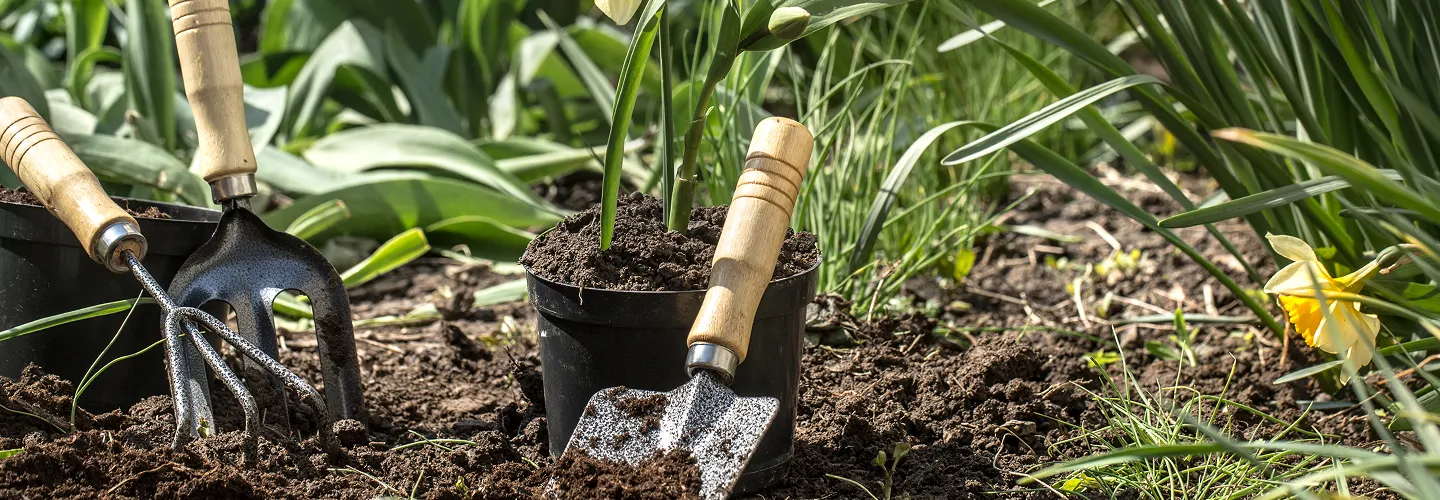
Iowa Colony Lawn Renovation Services
Choose our Lawn Renovation services for a lush, healthy yard—our experienced team uses proven techniques and premium materials to restore your lawn’s beauty and resilience, ensuring long-lasting results you’ll love.
Get a Free QuoteOur Iowa Colony Landscaping & Yard Care Services
When to Schedule Lawn Renovation in Iowa Colony, Texas – Seasonal Guide
In Iowa Colony, Texas, timing your lawn renovation is crucial for achieving a lush, healthy yard that thrives year-round. The best periods for renovation typically fall in late spring and early fall, when soil temperatures are optimal for seed germination and root development. Given our region’s humid subtropical climate, with hot summers and mild winters, it’s important to avoid the peak heat of July and August, as well as the risk of late frosts in early spring. Neighborhoods near Meridiana and Sterling Lakes often experience microclimates due to varying shade coverage and proximity to water features, which can influence the ideal renovation window.
Local environmental factors such as clay-heavy soils, periodic drought risk, and fluctuating humidity levels play a significant role in determining the best time for lawn care. For example, areas with dense tree coverage, like those near Iowa Colony City Park, may require different timing compared to open, sun-exposed lots. Additionally, it’s wise to stay informed about municipal watering restrictions and local guidelines, which can be found on the official city website, to ensure your renovation efforts are both effective and compliant.
Local Factors to Consider for Lawn Renovation in Iowa Colony
- Tree density and shade coverage (affecting sunlight and moisture retention)
- Soil type and drainage, especially in clay-rich areas
- Seasonal precipitation patterns and drought risk
- Proximity to landmarks like Meridiana or Iowa Colony City Park
- Municipal watering restrictions and local ordinances
- Terrain slope and potential for runoff
- Timing of last frost and onset of summer heat
Benefits of Lawn Renovation in Iowa Colony
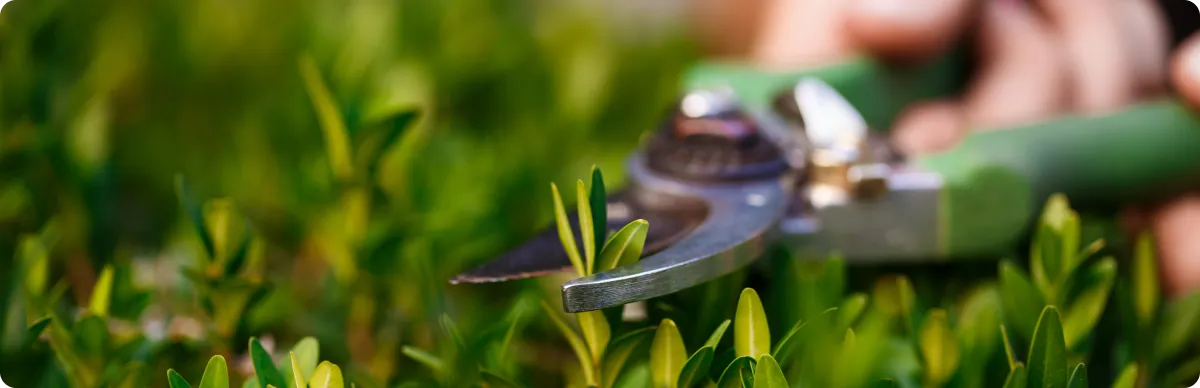
Enhanced Curb Appeal
Improved Soil Health
Weed and Pest Reduction
Thicker, Greener Lawns
Increased Property Value
Customized Lawn Solutions
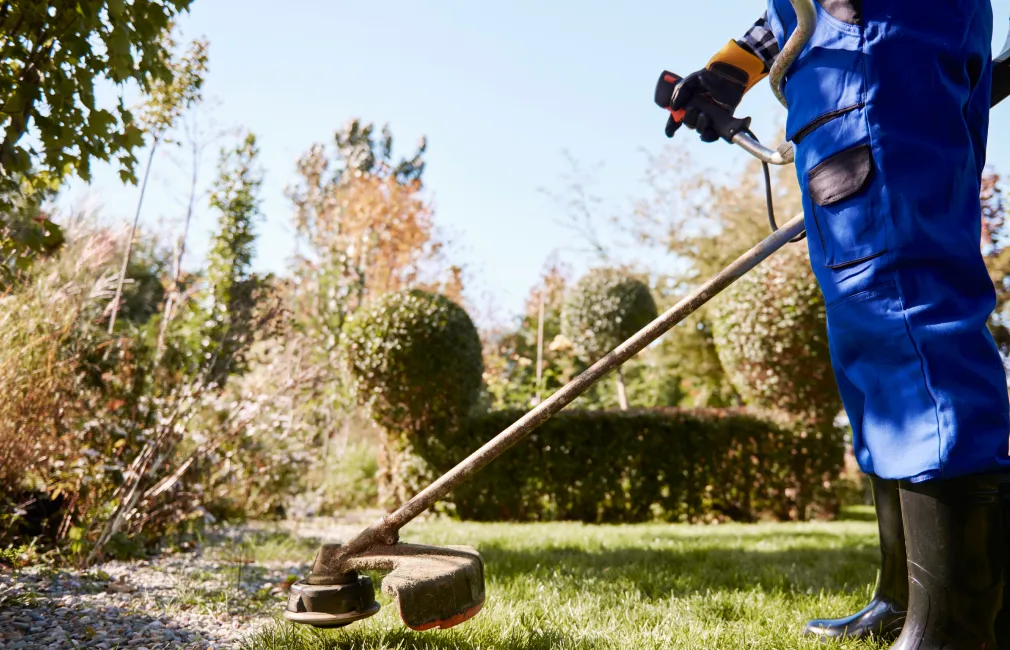
Iowa Colony Lawn Renovation Types

Sod Installation
-
Overseeding
-
Aeration and Topdressing
-
Soil Amendment
-
Weed and Pest Control
-
Grading and Drainage Solutions
-
Complete Lawn Replacement
Our Lawn Renovation Process
Site Evaluation
Soil Preparation
Seeding or Sodding
Watering and Fertilization
Ongoing Maintenance
Why Choose Iowa Colony Landscape Services
-
Iowa Colony Homeowners Trust Us
-
Expert Lawn Maintenance
-
Reliable Scheduling
-
Competitive Pricing
-
Professional Team
-
Satisfaction Guarantee
-
Personalized Service
Soil Series and Drainage Considerations for Lawn Renovation in Iowa Colony
Iowa Colony’s predominant soils, as identified by the USDA Web Soil Survey, include the Lake Charles clay and Bernard-Edna complex, both characterized by high clay content, slow permeability, and a tendency toward poor drainage. These soils typically exhibit pH values ranging from 7.0 to 8.0, requiring careful management for successful lawn renovation. Core aeration to a depth of 2-3 inches is recommended to alleviate compaction and improve water infiltration. Incorporating 2-3 inches of compost tilled to a 6-inch depth can enhance organic matter and soil structure. Soil testing through Texas A&M AgriLife Extension (cost: $15-25) is advised before applying amendments. Avoid heavy renovation work during periods of saturated soil to prevent rutting and further compaction.
Seasonal Timing and Weather Guidance for Iowa Colony Lawn Renovation
Lawn renovation in Iowa Colony should be scheduled according to the region’s USDA Hardiness Zone 9a and local weather patterns, as monitored by the National Weather Service Houston/Galveston Office. Optimal seeding and sodding windows are:
- Spring: April 1 – May 15 (soil temperature 65-75°F)
- Fall: September 1 – October 15 (before first frost, typically late November) Avoid renovation during June-August due to high heat and drought stress. Irrigation should comply with city water use guidelines, especially during drought restrictions. Monitor rainfall and soil moisture to prevent overwatering and runoff. For up-to-date weather advisories, consult the National Weather Service.
Municipal Coordination and Debris Disposal Protocols in Iowa Colony
Proper debris management is essential during lawn renovation projects in Iowa Colony. The city provides weekly yard waste collection every Thursday from April through November. Accepted materials include grass clippings, leaves, and brush under 4 feet in length, placed in biodegradable bags or reusable bins (32-gallon maximum). Plastic bags and branches over 4 inches in diameter are prohibited. Residents must comply with city noise ordinances for equipment operation:
- Monday-Friday: 7:00 AM – 7:00 PM
- Saturday: 8:00 AM – 6:00 PM
- Sunday and holidays: Prohibited For questions on collection schedules or ordinance compliance:
Iowa Colony Public Works Department
12003 Iowa Colony Blvd, Iowa Colony, TX 77583
Phone: (281) 369-2471
Official Website: Iowa Colony Public Works Department
Environmental Compliance: Stormwater and Buffer Zone Regulations in Iowa Colony
Lawn renovation activities in Iowa Colony must comply with the city’s MS4 stormwater permit, which prohibits the discharge of soil, grass clippings, or fertilizers into storm drains, in accordance with the Clean Water Act and Texas Water Code. Maintain a 25-foot no-disturbance buffer from wetlands and drainage ditches. Fertilizer application is restricted within 50 feet of water bodies to prevent nutrient runoff. The Texas Commission on Environmental Quality (TCEQ) oversees state-level compliance, while the EPA Region 6 office provides federal oversight. For guidance on local buffer requirements and reporting violations:
Iowa Colony Code Compliance Department
12003 Iowa Colony Blvd, Iowa Colony, TX 77583
Phone: (281) 369-2471
Official Website: Iowa Colony Code Compliance Department
Professional Standards and Safety Protocols for Lawn Renovation in Iowa Colony
All lawn renovation work in Iowa Colony must adhere to municipal and industry safety standards. Operators are required to use commercial-grade equipment with functioning mufflers, and maintain blade sharpness every 20-25 hours of use. Personal protective equipment (PPE) is mandatory:
- Eye protection: ANSI Z87.1 safety glasses
- Hearing protection: Earmuffs or plugs for 85+ dB noise
- Footwear: Steel-toed boots with non-slip soles
- Gloves: Cut-resistant for pruning, chemical-resistant for applications Maintain a 15-foot clearance from overhead power lines and follow all city-mandated safety distances. For large-scale projects or work near public infrastructure, coordinate with the city’s Community Development Department:
Iowa Colony Community Development Department
12003 Iowa Colony Blvd, Iowa Colony, TX 77583
Phone: (281) 369-2471
Official Website: Iowa Colony Community Development Department
What Neighborhoods Do We Serve Throughout Iowa Colony, TX?
- Meridiana: Features expansive new developments with engineered drainage and predominantly clay soils, requiring careful aeration and organic amendment during renovation.
- Sierra Vista: Characterized by compacted soils from recent construction and moderate tree cover, necessitating frequent soil testing and tailored renovation schedules.
- Sterling Lakes: Contains established landscapes with mature turf and proximity to drainage channels, where buffer compliance and debris management are critical.
- Glendale Lakes: Includes properties near wetlands and stormwater detention areas, demanding strict adherence to buffer zones and stormwater regulations.
- Iowa Colony Estates: Large lots with variable soil compaction and occasional flooding, requiring customized renovation approaches and attention to drainage improvements.
- Suncreek Ranch: Rural-style properties with mixed soil types and limited municipal infrastructure, presenting unique challenges for debris disposal and equipment access.
- Magnolia Bend: Features wooded lots and irregular topography, where slope management and erosion control are essential during renovation activities.